The King KP130 pellet stove delivers efficient, eco‑friendly heating for homes up to 2,500 sq ft. Its Wi‑Fi control, 2,500 BTU output, and automatic pellet feed make it a smart, low‑maintenance choice. Follow this guide for setup and care daily now!
Overview of the Model
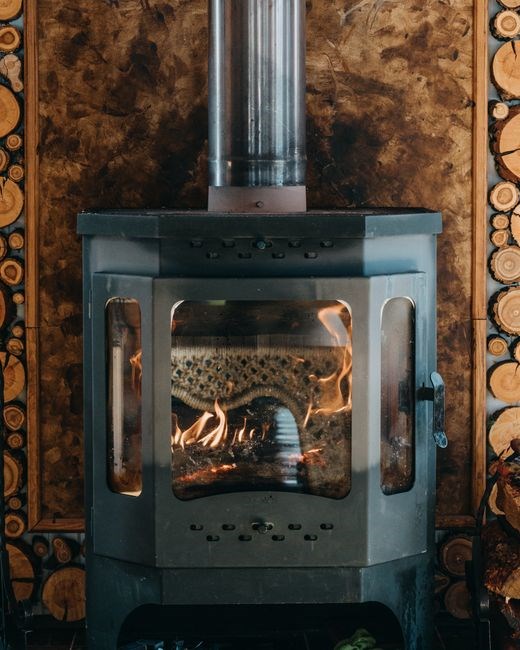
The King KP130 pellet stove is engineered for modern homes seeking reliable, low‑maintenance heating. With a 2,500 sq ft coverage rating, it delivers up to 2,500 BTU of clean, efficient heat, making it suitable for medium‑sized rooms and living areas. Its compact footprint—approximately 20 inches wide, 18 inches tall, and 12 inches deep—fits easily into kitchen or living‑room spaces without compromising aesthetic appeal. The unit features a stainless‑steel combustion chamber and a high‑efficiency glass front that showcases the pellet feed mechanism while allowing easy visual monitoring. Power is supplied via a standard 120 V outlet, and the stove includes a built‑in 120 V to 240 V inverter to optimize combustion. Connectivity is a standout feature: the KP130 integrates Wi‑Fi, enabling remote temperature control, scheduling, and real‑time diagnostics through a companion app. The control panel offers intuitive touch‑screen navigation, with presets for “Eco,” “Comfort,” and “Boost” modes. Safety uses redundant systems: flame sensor, shut‑off, high‑temp switch for safety. The pellet hopper holds 2.5 kg of pellets, and the motorized feed system delivers a consistent feed rate of 0.5 kg per hour. The stove’s design incorporates a sealed combustion system that reduces emissions and improves indoor air quality. Overall, the King KP130 delivers performance, connectivity, and safety in a premium eco package, making it a choice for homeowners who value convenience and responsibility!!!
Key Features and Specifications
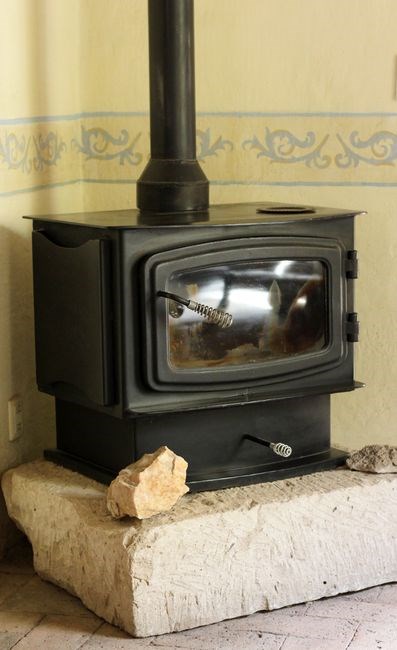
The King KP130 pellet stove blends advanced technology with user‑friendly design. Its 2,500 BTU output covers up to 2,500 sq ft, while the 2.5 kg hopper delivers consistent heat for up to 8 hours on a full load. The stainless‑steel combustion chamber and sealed‑combustion system reduce emissions to meet EPA standards. Wi‑Fi connectivity allows remote control via official app, temperature adjustments, real‑time diagnostics Wi‑Fi. The touch‑screen panel offers Eco, Comfort, and Boost modes, with an auto‑shutdown safety feature that monitors flame presence, temperature, and pellet feed. A 120 V to 240 V inverter optimizes combustion, and a built‑in 120 V outlet provides power for the fan and control electronics. The motorized feed system operates at 0.5 kg per hour, and the hopper can be refilled without shutting down the unit. Safety is reinforced by a flame sensor, high‑temperature switch, and automatic shut‑off. The unit’s dimensions—20 inches wide, 18 inches tall, 12 inches deep—make it suitable for kitchen or living‑room installation. With a 5‑year warranty on parts and a 2‑year labor guarantee, the KP130 offers reliability and peace of mind. Its low‑maintenance design, combined with eco‑friendly combustion, positions it as a top choice for homeowners seeking efficient, smart heating solutions.
Installation Guide
Install the KP130 in a well‑ventilated area, ensuring a 30‑inch clearance from walls. Connect the 120 V supply, attach the flue pipe to the exhaust, and secure the unit with the provided brackets. Verify all seals before use.
Space and Ventilation Requirements
Before installing the King KP130, verify that the installation area meets the manufacturer’s clearance specifications. The stove requires a minimum of 30 inches of clearance on all sides of the unit to prevent heat buildup and allow proper airflow. A 12‑inch clearance above the stove is essential for the exhaust system. The flue pipe must be installed in a straight line with no more than a 45‑degree bend within the first 10 ft of the run. The total flue length should not exceed 30 ft to maintain optimal combustion. The venting system should be properly insulated to avoid condensation and maintain efficiency. A vent hood or chimney cap is recommended to prevent backdrafts and protect the flue from debris. The combustion air intake must be located at least 12 inches from any wall or obstruction to allow sufficient air supply. Ensure that the room’s HVAC system does not interfere with the stove’s airflow. Proper ventilation not only improves performance but also reduces the risk of carbon monoxide buildup. Follow local building codes and the King KP130 installation manual for any additional requirements. Its high‑efficiency chamber needs ample airflow; a properly sized vent prevents backdrafts and.
Electrical Connections
The King KP130 pellet stove requires a dedicated 120‑V, 15‑A circuit with a grounded outlet. Install a GFCI or AFCI breaker to protect against electrical faults. The stove’s power cord should be routed through a conduit to the outlet, keeping the cord free of kinks and ensuring a minimum 2‑inch clearance from heat sources. The control panel’s internal wiring is sealed; do not attempt to open the unit. Connect the stove’s 120‑V supply to the labeled terminals on the back panel, ensuring the neutral is attached to the neutral bar and the hot to the hot bar. Verify that the ground wire is securely fastened to the grounding screw. After connection, test the outlet with a multimeter to confirm 120 V and correct polarity. Once the stove is powered, the control panel will display a startup sequence; wait for the “Ready” indicator before loading pellets. If the stove does not power on, check the circuit breaker, outlet, and wiring for continuity. Always follow the manufacturer’s wiring diagram and local electrical codes. Proper electrical installation ensures safe operation and prevents damage to the stove’s electronic control system.
Use a 15‑A circuit breaker and a grounded 120‑V outlet. Ensure the neutral and ground are wired. A circuit prevents overload. Verify continuity before powering the stove.
Safety Compliance Checks
Before first use, verify that the King KP130 meets local building codes and manufacturer safety standards. Confirm the stove’s flue assembly is installed per the 2‑inch clearance rule from combustible walls, and that the exhaust pipe is made of stainless steel with a minimum 3‑inch diameter. Check that the vent hood is fitted with a 90‑degree elbow and a heat‑resistant gasket. Inspect the firebox for cracks or corrosion; any damage must be repaired before operation. Ensure the automatic shut‑off sensor is functioning by testing the stove’s low‑pellet alarm; the unit should alert and stop the fan when the hopper empties. Verify that the thermostat is calibrated to the desired temperature range (up to 250 °F). Test the safety lock on the hopper door to prevent accidental opening during operation. Confirm that the electrical wiring complies with the National Electrical Code (NEC) and that the GFCI breaker is operational. Finally, run a 30‑minute trial burn with a full hopper to observe combustion efficiency, smoke output, and heat distribution. Record any anomalies and consult the service manual for corrective action. These checks guarantee safe, efficient, and code‑compliant operation of the KP130. All checks must be logged in the logbook. Now!
Operating Instructions
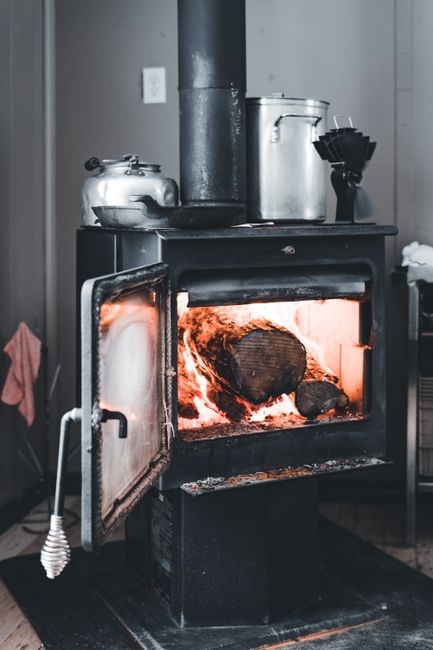
Follow the King KP130 manual: load pellets, set desired temperature, press start, monitor flame, adjust fan speed, use Wi‑Fi app for remote control, and observe safety alerts. Turn off after use. Keep hopper full, filter.!!
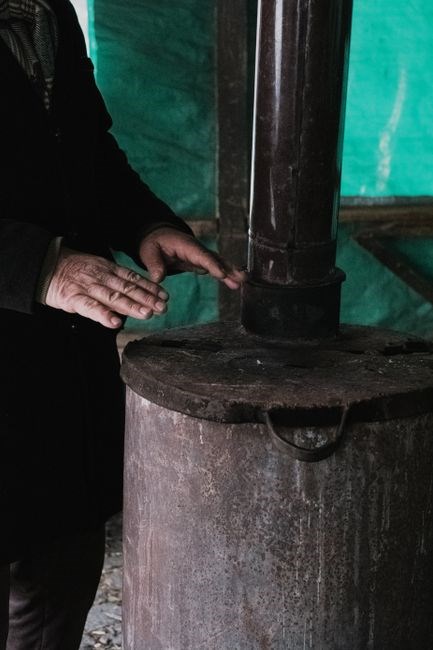
Loading Pellets and Starting the Stove
Before each use, verify that the hopper is securely closed and the feed chute is clear. Open the hopper lid, and pour high‑density, moisture‑controlled pellets, ensuring the level does not exceed the maximum mark. Close the lid firmly to prevent spillage. Next, check the ash pan and remove any accumulated ash that may obstruct airflow. With the stove powered off, press the power button to activate the control panel. Select the desired heat mode—Eco, Comfort, or Turbo—using the touchscreen or physical buttons. Set the target temperature by scrolling the thermostat dial or tapping the temperature icon. Once the settings are confirmed, press the Start/Resume button. The system will ignite the pilot flame, and the automatic feeder will begin delivering pellets. Monitor the flame color; a steady orange flame indicates proper combustion. Adjust fan speed if necessary, and allow the stove to reach the set temperature before closing the door. Always keep the area around the stove free of combustible materials and maintain a clear vent path for safe operation. If the flame turns blue or sputters, pause the stove, check the pellet feed, and ensure the vent is clear. Consult the troubleshooting guide for detailed error codes and recommended fixes
Using the Control Panel and Modes
The King KP130’s intuitive interface combines a responsive touchscreen with tactile buttons, allowing quick adjustments to heating profiles. After powering on, the home screen displays real‑time flame status, temperature, and fan speed. To switch between Eco, Comfort, and Turbo modes, tap the mode icon; each mode automatically calibrates fuel feed, fan velocity, and flame height to match the selected efficiency level. Eco mode prioritizes fuel economy, running the fan at a lower speed and maintaining a smaller flame, ideal for extended periods of moderate heat. Comfort mode balances power and efficiency, offering a moderate fan speed and a fuller flame for instant warmth. Turbo mode delivers maximum heat output for brief periods, engaging the fan at full capacity and increasing pellet feed to achieve a vigorous flame. The thermostat dial lets you set a target temperature; the stove will automatically adjust the fan and feed to maintain that setpoint. For precise control, use the +/- buttons to fine‑tune fan speed or pellet feed rate, and the “Pause” button temporarily stops combustion without shutting down the system. The “Eco‑Pause” feature allows the stove to rest while keeping the fan running to clear ash. Heat daily now!
Wi‑Fi Connectivity Setup
To connect the King KP130 to your home network, first ensure the stove’s Wi‑Fi module is powered and the display shows “Wi‑Fi Setup” on the main screen. Open the companion mobile app (available on iOS and Android) and select “Add New Device.” The app will search for nearby devices; once the KP130 appears, tap it to begin pairing. On the stove’s touchscreen, enter the 4‑digit PIN displayed on the screen, then press “Next.” The device will broadcast a temporary SSID; use your smartphone to connect to this network. Open the app again, and it will detect the KP130 automatically. Now, on the app’s network selection page, choose your home Wi‑Fi SSID from the list, enter the password, and confirm. The stove will validate credentials and establish a secure connection. After successful pairing, the app will display the stove’s IP address and allow remote control of temperature, fan speed, and mode settings. For optimal performance, keep the firmware updated via the app’s “Software Update” option. If the stove fails to connect, reset the Wi‑Fi module by holding the “Reset” button for 10 seconds, then repeat the setup steps. This process ensures reliable, wireless operation for convenient, energy‑efficient heating. Additionally, you can schedule heating cycles through the app’s “Schedule” tab, set temp
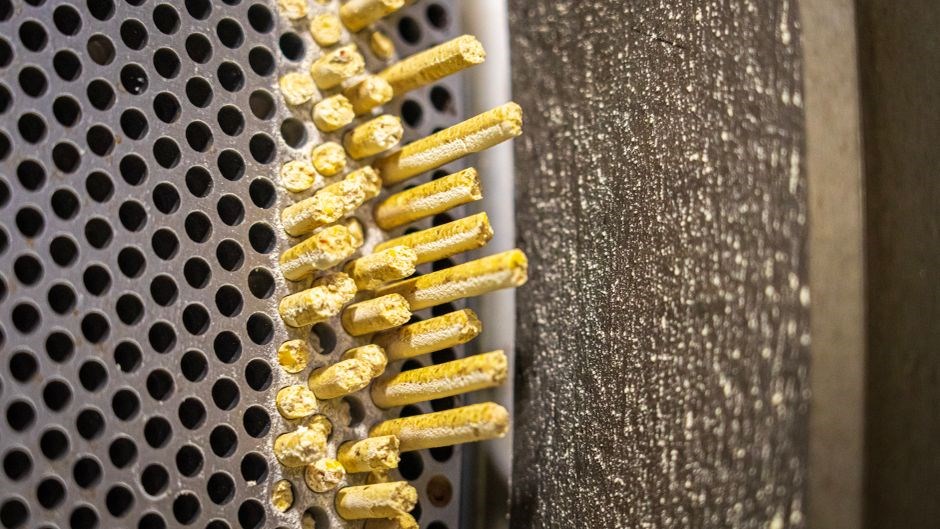
Maintenance and Cleaning
Regularly inspect the ash pan, clean the exhaust, and wipe the glass. Replace filters every 3 months. Lubricate moving parts with stove‑grade oil. Follow the manufacturer’s schedule to keep efficiency high. Check the fan regularly to avoid clogs. Keep logs.
Regular Cleaning Schedule
To maintain optimal performance, follow this routine:
- Daily: Check the ash pan for overflow; remove excess ash with a brush to prevent blockage.
- Weekly: Clean the glass door with a non‑abrasive cleaner, ensuring no residue that could impair heat transfer.
- Monthly: Inspect the combustion chamber for soot buildup; use a soft brush to sweep away deposits.
- Quarterly: Flush the pellet feed chute with warm water, then dry thoroughly to avoid corrosion.
- Bi‑annual: Replace the air filter and inspect the fan motor for wear; lubricate with stove‑grade oil.
- Annual: Conduct a full system check: verify the flue is clear, the venting is secure, and the control panel responds correctly.
Document each cleaning session in a logbook; this record aids future troubleshooting and warranty claims.
Remember to replace the ash pan every 6 months and keep the venting system free of obstructions. Store pellets in a dry, well‑ventilated area to maintain moisture control.
Check draft daily now
Replacing Parts and Accessories
When the King KP130’s components reach the end of their service life, timely replacement ensures safe, efficient operation. Follow these steps for each major part:
- Ash Pan: Remove, clean, and replace the ash pan with a new model‑sized pan. Check the gasket for a tight seal.
- Air Filter: Replace every six months with a HEPA‑rated filter. Install correctly to keep airflow.
- Fan Motor: Inspect for wobble or noise. Replace if damaged with a motor rated for KP130 specs.
- Pellet Feed Chute: Clean the chute, replace with stainless‑steel if corroded, and ensure proper angle for gravity feeding.
- Glass Door Gasket: Replace gasket annually with silicone sealant to keep heat in.
- Control Panel: Replace the module if display or buttons fail. Follow wiring diagram during installation.
- Flue Pipe: Replace cracked or sooty sections with a 2000 °F rated pipe to avoid fire hazards.
Maintain a replacement log and schedule periodic inspections to ensure longevity and safety. When in doubt, consult the manufacturer’s service guide or a certified technician for assistance promptly
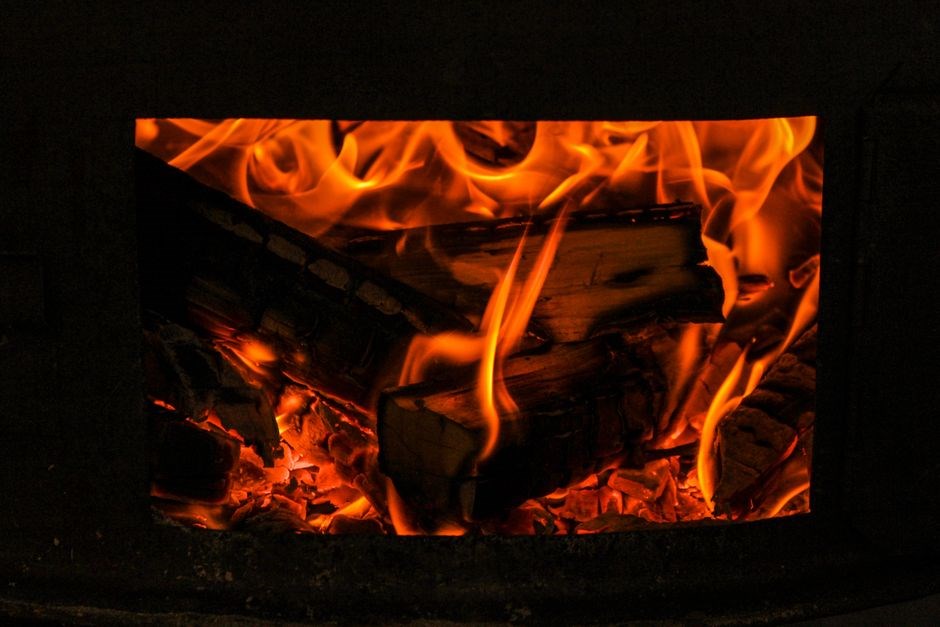
Troubleshooting Common Issues
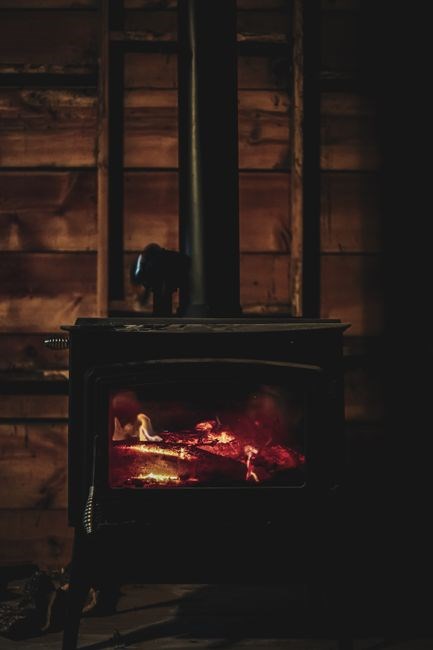
Check power, verify the stove’s power cord is plugged and the outlet is live. If Wi‑Fi fails, reset the router and re‑enter credentials. For flame issues, clean the feed chute, replace the ash pan, and inspect the fan motor. Check manual for codeshere
Power or Wi‑Fi Problems
When the King KP130 fails to power on or loses Wi‑Fi connectivity, first check the 120 V outlet with a multimeter. Ensure the power cord is securely plugged and the GFCI breaker is reset. If the stove still does not light, inspect the 2.5 amp fuse on the back panel and replace it if needed. Verify the thermostat is set to “Heat” and the desired temperature. The pellet feed motor draws 12 A; a weak battery in the remote control can stop the stove. For Wi‑Fi issues, enable the built‑in module via the control panel, enter the SSID and password, and confirm the router uses WPA2 on 2.4 GHz. If the signal is weak, move the router closer or add an extender. The KP130 logs error codes; codes 01–03 mean power supply faults, 10–12 indicate network errors. If a “No Signal” message appears, power‑cycle the stove and router, then re‑scan for networks. If the stove still fails, contact King support with the serial number and error code. Maintain a clean air filter and keep the pellet hopper full to prevent false power‑off alarms. If all troubleshooting steps fail, schedule a service call; technicians will inspect the combustion chamber, check the venting system, and verify the electronic control board for faults, ensuring the stove operates safely. Stay safe.
Flue and Combustion Issues
When the KP130’s flue is clogged or the combustion chamber is unclean, the stove may sputter, produce excess smoke, or fail to ignite. Begin by inspecting the exhaust pipe for blockages: remove any debris, ensure the chimney is sealed, and verify the flue diameter matches the specification. A restricted air flow reduces combustion efficiency and can trigger the safety shut‑off. Clean the combustion chamber and heat exchanger with a soft brush or vacuum; residue buildup can cause incomplete burning and carbon monoxide buildup. If the stove repeatedly stalls, examine the air‑fuel ratio by adjusting the air shutter on the control panel; a too‑tight setting can cause a rich mixture, while a too‑loose setting can lead to a lean flame. Verify the venting system is free of leaks by applying soapy water to the joints; bubbles indicate a leak that can allow combustion gases to escape. If the stove displays a “Flue Error” code, reset the system after clearing the blockage and allow the unit to cool before restarting. For persistent problems, consult the service manual for diagnostics or contact a certified technician, as improper flue handling can pose fire or carbon monoxide risks. Proper maintenance keeps the KP130 running safely and efficiently. Regular cleaning extends the stove’s lifespan!!!